Green Hydrogen: Redefining the Europe-Africa Strategic Axis
The energy transition is reshuffling geopolitical cards. Africa must no longer be a simple supplier, but an equal industrial partner.
Category
Africa, Infrastructure, Energy Transition
Date
Nov 20, 2024
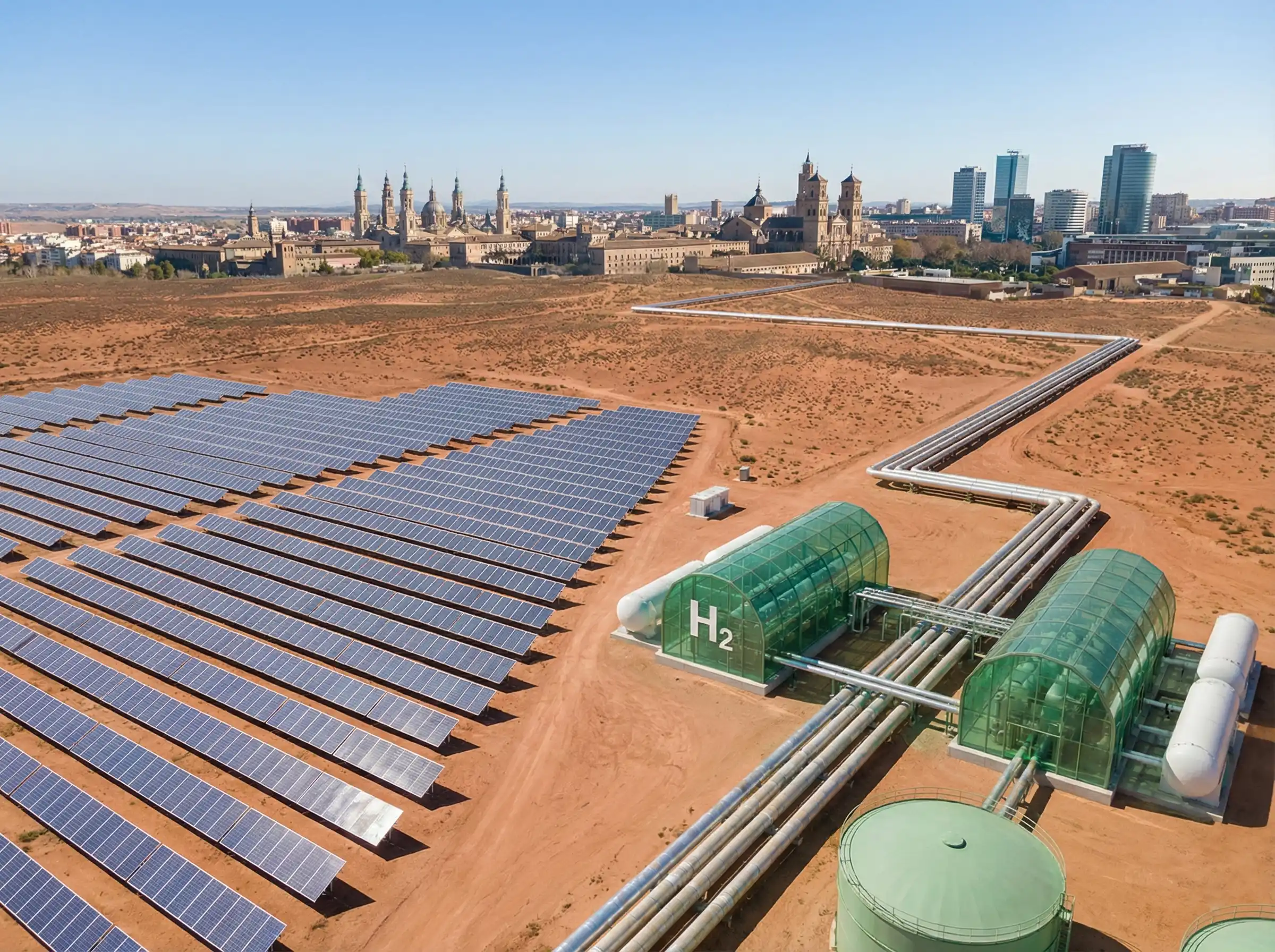
From Development Aid to Industrial Partnership
The war in Ukraine brutally reminded Europe of its energy dependence. In its quest for diversification, Europe is turning to the South. But beware: reproducing the extractivist models of the past would be a fatal error. The green hydrogen economy requires a new diplomatic grammar.
The Challenge of Interconnected Infrastructure
To transport hydrogen produced in Morocco, Mauritania, or Namibia to Germany or France, signing agreements is not enough. Titanic infrastructures must be built (H2Med pipelines, port terminals).
These projects require absolute regulatory stability over 20 or 30 years. This is where corporate diplomacy comes into play: securing cross-border legal frameworks to reassure private investors.
Towards Co-Industrialization
“Africa will not be Europe's gas station. Value added must be shared.”
We advise our industrial clients to adopt an aggressive "Local Content" approach: processing part of the energy on-site (green steel, ammonia) to export finished products rather than raw materials. This strategy is the only politically viable one facing African public opinion and African Union requirements.
The Role of Financial Institutions
The World Bank and the EIB (European Investment Bank) now condition their loans on these local impact criteria. Mastering the language of these institutions has become a key skill for winning international tenders.